
Alzheimer’s & Dementia Care Program
Specialized Alzheimer’s & Dementia Care You Can Trust
Our dedicated memory care program provides a safe, calm, and familiar environment to support seniors living with Alzheimer’s disease and other forms of dementia. 24/7 supervision, consistent routines, and personalized care are provided to promote comfort, reduce confusion, and maintain dignity throughout every stage of the condition.
Our Memory Care Services
Our memory care program in Auburn, Washington, is designed to provide personalized, compassionate support for seniors experiencing Alzheimer’s disease and other forms of dementia. Care plans are tailored to each individual’s needs to promote safety, comfort, and quality of life while fostering dignity, meaningful engagement, and emotional support.
24/7 Supervision and Support: Compassionate caregivers are on site around the clock to ensure safety, oversight, and prompt assistance with daily needs.
Assistance With Daily Living (ADLs): Help with bathing, dressing, mobility, toileting, and other essential routines that support comfort and independence.
Medication Management: Monitoring and support with medication schedules to help maintain optimal health and reduce the risk of errors.
Diabetic and Chronic Condition Care: Care plans can include blood glucose monitoring, insulin support, and attention to medical needs that affect cognitive health.
Structured Daily Activities: Engaging social, recreational, and cognitive stimulation activities that help residents maintain routines and encourage meaningful participation.
Nutritious Meals & Dietary Oversight: Balanced home-prepared meals and snacks tailored to dietary needs and preferences to support overall wellness.
Fall Prevention & Safety Protocols: Environmental adjustments, supervision strategies, and mobility assistance to reduce risks and enhance resident safety.
Personalized Care Planning: Individual evaluations guide care goals, support levels, and adjustments as needs change over time.
Family Communication & Support: Regular updates and open communication help families stay informed and connected with their loved one’s care journey.

Specialized Support for Cognitive Decline
Cognitive changes such as memory loss, confusion, and impaired decision-making require specialized attention and understanding. Caregivers provide patient guidance, clear communication, and ongoing supervision to help reduce frustration and anxiety. Regular observation allows care teams to recognize changes in cognition or behavior early and adjust care approaches to support emotional well-being and stability.
Calm, structured environment designed for memory support
Deep respect for dignity and individual identity
Home-like atmosphere reduces institutional stress
Routine Structure, Comfort, and Safety Measures
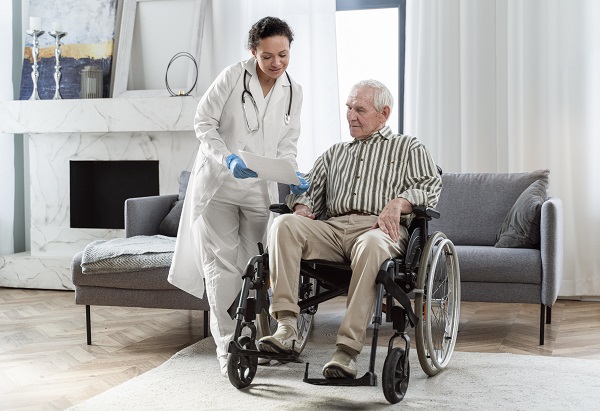
Structured daily routines help create familiarity and predictability, which can reduce agitation and promote a sense of calm. Activities, meals, and rest periods follow consistent schedules while allowing flexibility based on individual needs. Safety-focused measures, including close supervision and environmental safeguards, help minimize risks while allowing residents to move comfortably and confidently throughout their day.
Daily Routines
Consistent schedules that reduce confusion and provide security
Memory-Supportive Care
Techniques that work with cognitive abilities rather than against them
Familiar Activities
Engagement in meaningful activities that tap into long-term memory

Behavioral Management & Gentle Redirection
Behavioral changes such as restlessness, agitation, or wandering are addressed through compassionate, non-confrontational approaches. Caregivers use gentle redirection, reassurance, and individualized strategies that prioritize emotional comfort and dignity. These methods help de-escalate distress while maintaining a supportive and respectful atmosphere.
Compassionate response to behavioral changes
Non-confrontational care techniques
Understanding and addressing underlying needs
Dementia-Friendly Environment
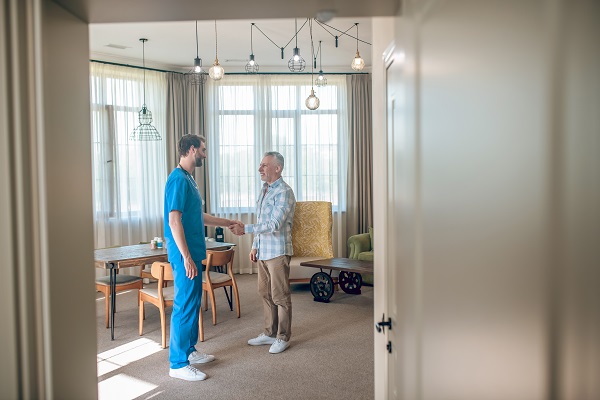
The physical environment plays a critical role in memory care. A calm, home-like setting with clear layouts, familiar furnishings, and reduced sensory overstimulation helps residents feel oriented and secure. Visual cues and thoughtful design choices support safe movement and independence while minimizing confusion.
Reduced sensory overstimulation for calm atmosphere
Clear visual cues to aid navigation and recognition
Safe, secure layouts to prevent wandering
Familiar, home-like surroundings for comfort

Training & Experience of Caregivers
Caregivers receive specialized training in Alzheimer’s and dementia care, including communication techniques, behavior support, and safety best practices. Ongoing education ensures caregivers stay informed about current care standards and compassionate approaches. Experience working with cognitive conditions allows caregivers to respond with patience, empathy, and confidence.
Specialized Experience
Training in Alzheimer’s and dementia care techniques
Ongoing Attention
Continuous monitoring and support throughout the day
Patience & Understanding
Deep empathy for the challenges of memory loss

Family Communication & Care Updates
Families are valued partners in the care process. Regular communication provides updates on well-being, changes in condition, and care plan adjustments. Open dialogue encourages collaboration and transparency, helping families feel informed, supported, and reassured that their loved one is receiving attentive, individualized memory care.
Regular updates on health and daily activities
Transparent communication about changes or concerns
Partnership with families in care planning
Welcoming environment for family visits
Take the Next Step Toward Trusted Memory Care
Finding the right Alzheimer’s or dementia care can feel overwhelming. Clear guidance, compassionate support, and a safe environment can make all the difference for your loved one and for your family’s peace of mind.